
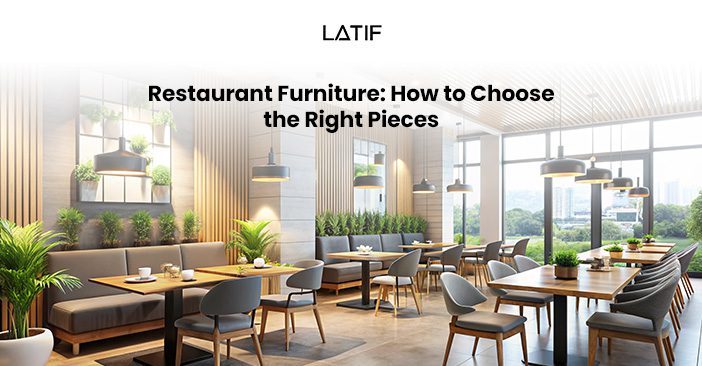
Restaurant furniture directly affects how long guests stay, how much they spend, and whether they return. Comfortable, well-chosen furniture encourages guests to linger. Uncomfortable or poorly matched furniture sends them out the door faster than the food does.
This restaurant furniture guide covers what to prioritise when furnishing a food and beverage space, which product categories matter most, what materials perform in commercial settings, and which Latif Living pieces suit restaurant environments specifically.
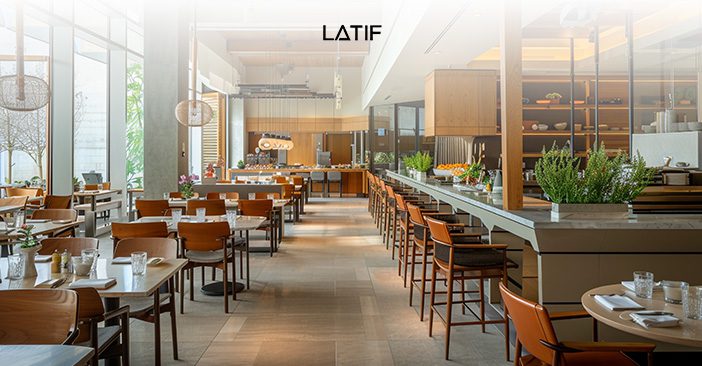
Why Restaurant Furniture Is a Commercial Investment, Not a Style Choice
Many restaurant owners treat furniture as a design decision. In reality, it is a commercial infrastructure decision with design consequences.
Restaurant furniture faces a level of wear that residential furniture is never built for. Chairs move in and out from tables dozens of times daily. Tables take spilled drinks, cleaning chemicals, and the weight of heavy crockery repeatedly. Bar stools endure guests climbing on and off throughout a full service. Outdoor terrace pieces face weather, humidity, and UV exposure on top of all of this.
Furthermore, the furniture a restaurant chooses communicates price positioning to guests before they even open the menu. A guest who sits on a lightweight plastic chair forms a different expectation than a guest who sits on a rope-woven dining chair with a teak frame. One signals a fast-casual operation. The other signals a considered, quality-oriented experience.
As a result, the right restaurant furniture selection combines durability for commercial use, material suitability for the environment, and aesthetic alignment with the restaurant’s price point and concept.
Key Furniture Categories for Restaurant Spaces
Dining Chairs
The dining chair is the piece that guests interact with most directly and most continuously throughout their visit. It needs to support the body comfortably for the duration of a full meal, typically 45 to 90 minutes. However, it also needs to handle repeated repositioning, stacking if required, and cleaning between covers without showing wear.
For outdoor or semi-covered restaurant terraces in tropical and coastal environments, rope-woven dining chairs on aluminium or teak frames are the right specification. The rope weaving handles moisture, cleans easily, and creates a handcrafted visual quality that suits mid-range to premium dining concepts.
For indoor restaurant settings, teak dining chairs with solid frame construction deliver durability and warmth. Teak resists the humidity that tropical interiors generate and does not develop the joint looseness that cheaper hardwood frames show after 12 to 18 months of commercial use.
Dining Tables
The dining table anchors each seating zone. It determines the spacing between covers, the number of guests per turn, and the visual rhythm of the dining room floor.
For restaurant dining tables, the surface material needs to handle daily cleaning with commercial products, resist heat from plates and cups, and not show scratches after repeated service use. Teak table tops perform well in this context. The natural density of teak resists surface damage better than softwood or veneer alternatives.
For outdoor restaurant terraces, aluminium-frame tables with teak tops combine weather-resistant structure with a warm surface material. The aluminium frame does not rust in coastal or tropical environments, and the teak top handles rain exposure without swelling or warping.
Table size matters practically. A 200 x 100 cm table suits 6 covers with comfortable spacing. A 180 x 100 cm table handles 4 to 6 covers depending on chair width. Round tables in the 90 to 120 cm diameter range suit 2 to 4 covers and work well for smaller parties or café settings.
Bar Stools and Bar Counters
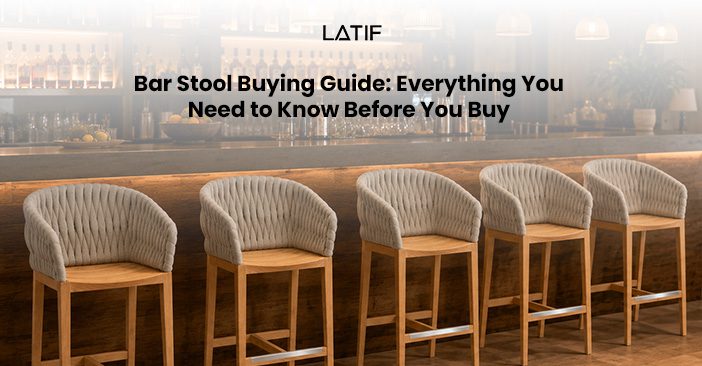
A restaurant with a bar area needs bar stools that handle the specific demands of bar seating. Guests climb on and off bar stools repeatedly. They sit for longer periods than at a dining table, often across multiple drinks. They also exert lateral pressure on the frame by swivelling, reaching, and shifting position.
Therefore, bar stool frame construction needs to be more robust than dining chair construction. Solid teak frames, powder-coated aluminium frames, and welded joints at the footrest are all signs of bar stool construction built for commercial use.
For outdoor bars and rooftop settings, rope-woven bar stools on aluminium or teak frames handle weather exposure while maintaining the contemporary tropical aesthetic that defines Bali’s bar and restaurant scene. Additionally, stools with a fixed footrest rail are significantly more comfortable than footrest-free designs for guests sitting through multiple drinks.
Coffee Tables and Side Tables
Coffee tables and side tables serve lounge and waiting areas, bar lounges, and casual dining zones within a restaurant. In these settings, the table needs to suit a lower seating height and handle drinks, small plates, and frequent surface contact without marking visibly.
Teak-top coffee tables in a 110 to 130 cm length range suit two-seat lounge areas. Round coffee tables in the 65 to 80 cm diameter range work well in corner lounge zones where a rectangular table would create awkward circulation. Moreover, side tables for individual bar seats or lounge chairs allow guests to set down a drink without leaning across the main table.
Outdoor and Terrace Furniture
For restaurants with outdoor terrace seating, the furniture specification must account for full weather exposure. This means no MDF, no standard polyester fabric, and no untreated steel or iron frames.
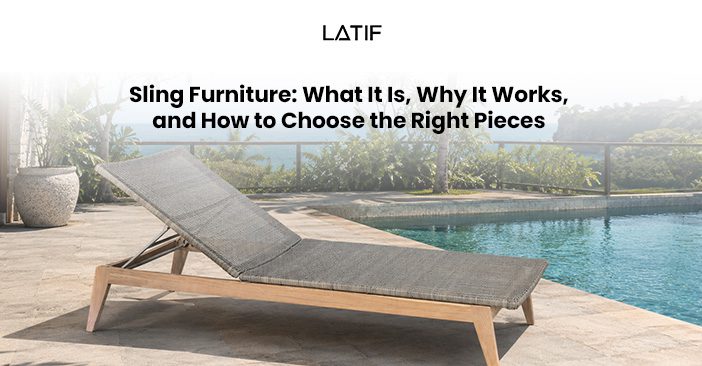
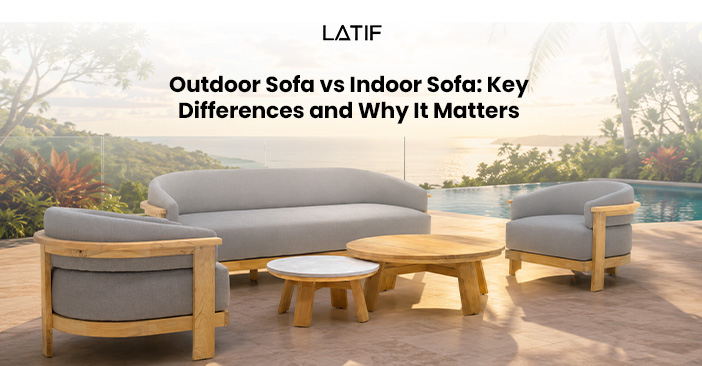
Rope-woven outdoor sofa sets create a lounge zone for guests waiting for a table or for après-dinner drinks. Sun loungers suit beach clubs and casual dining venues with poolside seating. Wicker dining chairs on aluminium frames handle afternoon rain and dry quickly between covers.
Furthermore, outdoor restaurant furniture needs to look intentional rather than expedient. Mismatched or visibly cheap outdoor furniture signals that the terrace seating is secondary to the restaurant’s main concept. By contrast, a cohesive outdoor dining setup with consistent material language tells guests that the terrace experience is as considered as the interior.
Material Guide for Restaurant Furniture
Teak
Teak is the right choice for restaurant furniture that faces tropical humidity, outdoor rain, and frequent cleaning. Its natural oil content repels moisture and resists insect damage. FSC-certified teak from Perhutani’s Indonesian plantations meets the sustainability requirements that many European and Australian restaurant operators specify in their project briefs.
In terms of maintenance, teak darkens slightly over time in tropical humidity. Periodic teak oil application maintains the warm honey tone. Alternatively, owners can leave teak to weather to silver-grey, which also reads as intentional in many contemporary restaurant aesthetics.
Powder-Coated Aluminium
Aluminium frames are standard in commercial outdoor restaurant furniture because they do not rust, do not corrode in salt air or pool chemical environments, and stay light enough for staff to reposition easily during service. Powder coating adds colour and UV protection. For coastal restaurants, beachfront dining venues, and outdoor terraces in tropical climates, aluminium frames are the most practical specification.
All-Weather Rope Weaving
Rope-woven seat and back construction on aluminium or teak frames creates the contemporary tropical aesthetic that defines quality outdoor dining in Bali, Southeast Asia, and an increasing number of European and Australian venues influenced by that design direction. UV-stabilised polypropylene rope resists fading and moisture. It cleans with a damp cloth between covers. Moreover, the handcrafted weaving pattern gives each piece a tactile quality that photographs well and reads as premium in a restaurant setting.
Synthetic Wicker (HDPE)
HDPE synthetic wicker provides a warm, natural appearance with full outdoor performance. It suits restaurants with a natural or resort aesthetic where the visual direction leans organic rather than contemporary. Good-quality HDPE wicker uses Clariant UV-protective additives that prevent fading over multiple seasons. As a result, it maintains its appearance far longer than natural rattan in the outdoor conditions that tropical and coastal restaurants face daily.
What to Check Before Buying Restaurant Furniture
Stackability. Restaurants that clear and reconfigure their floor regularly need chairs and bar stools that stack. Confirm stacking compatibility before ordering. Not all designs support it.
Weight per piece. Staff move dining chairs and bar stools dozens of times per service. A heavy chair that is difficult to lift creates cumulative fatigue. Aluminium-frame chairs are significantly lighter than solid teak equivalents, which matters when choosing between the two for high-turnover covers.
Cleaning compatibility. Restaurant furniture gets cleaned with commercial products daily. Confirm that the frame finish and seat material handle common commercial cleaning chemicals without degrading. Powder-coated aluminium and rope weaving both clean well with mild soap and water.
Consistency across units. Restaurants need multiple identical units. Confirm that the supplier can produce a consistent batch in terms of colour, finish, and dimension across 20, 40, or 100 chairs. This matters most for rope colour and powder-coat tone, which can vary slightly between production batches if the manufacturer does not control the process in-house.
Outdoor certification for terrace furniture. For outdoor restaurant pieces, confirm that the sling fabric is Phifertex or equivalent, that rope is UV-stabilised polypropylene, and that aluminium frames carry a proper powder-coat rather than a spray-paint finish.
Restaurant Furniture Recommendations from Latif Living
Latif Living supplies outdoor and hospitality furniture to restaurants, hotels, resorts, and food and beverage venues across more than 100 countries. Their pieces use FSC-certified teak, powder-coated aluminium, Phifertex sling, Sunbrella cushion fabric, and Clariant UV-stabilised rope and wicker. Here are the most relevant pieces from their collection for restaurant environments.
Dining Chairs
Kuta Wicker Dining Chair. A masterwork of tactile outdoor design, expertly fusing a classic, robust silhouette with the sophisticated, artisanal appeal of finely woven detailing. Engineered for the high-traffic needs of luxury resort dining, boutique hotel terraces, and serene private garden sanctuaries, this chair is the ideal choice for those who value both understated sophistication and lasting, heavy-duty durability.
Gili Dining Chair. A wicker-woven dining chair on a powder-coated aluminium frame. The wicker construction gives it a warmer, more organic visual quality than rope alternatives. It suits casual to mid-range dining settings with a natural aesthetic.
Sumba Dining Chair. A dining chair with a teak frame and woven back panel in a warm natural rope tone. The Sumba combines teak warmth with the tactile quality of rope weaving in a design that suits boutique dining rooms, private members clubs, and high-end casual venues.
Dining Tables
London 6-Seaters Dining Table. A 200 x 100 cm oval-edge dining table with a teak top and powder-coated aluminium frame. The aluminium frame handles outdoor conditions without corrosion. The teak top provides a warm, natural surface that suits both indoor and terrace dining. At 200 cm, it comfortably seats 6 guests.
Sardinia Dining Table. A rectangular teak dining table on a solid teak frame. The full teak construction creates a premium material presence suited to fine dining and boutique restaurant settings. The 220 cm length seats 6 to 8 guests with comfortable spacing.
Kansas Dining Table. A rectangular dining table with a teak top and rope-woven base structure. The rope base is a distinctive design element that elevates the table beyond standard teak-and-frame constructions. It suits restaurant settings where the table design itself is part of the dining room’s visual character.
Bar Stools
Colmar Bar Stool. A rope-woven bar stool on a solid teak frame. The teak legs add natural material warmth that distinguishes it from all-aluminium alternatives. It suits premium bar settings and boutique restaurant counters where material quality is visible and relevant to the concept.
Malibu Bar Stool. A twisted rope-woven bar stool on a solid teak frame. The twisted rope creates a denser, more textured surface than standard rope weaving. As a result, the Malibu suits luxury restaurant bar settings where the bar stool is a design feature in its own right rather than a background element.
Dublin Bar Stool. A high-back rope-woven bar stool on a teak frame. The tall back provides upper back support for guests sitting through extended bar sessions. It suits restaurant bars and dining counters where guests stay for full meals rather than a single round of drinks.
Coffee Tables and Lounge Furniture
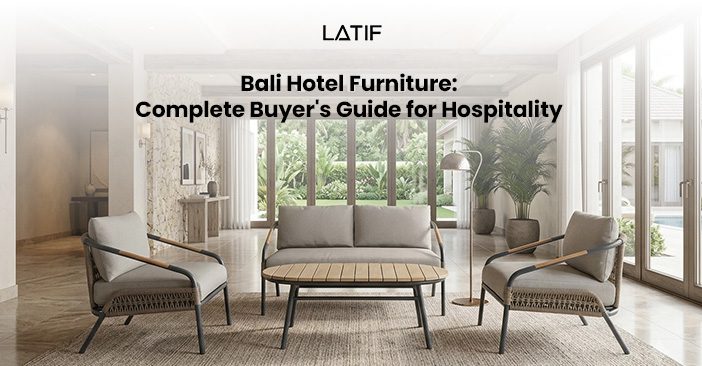
Kuta Collection. A rope-and-aluminium outdoor sofa set including a loveseat, two armchairs, and a teak-top coffee table. The dark rope and aluminium combination creates a bold, graphic presence suited to restaurant lounge areas, waiting zones, and bar lounge sections. The teak coffee table handles drinks and small plates without surface damage.
Lovina Table. A striking asymmetrical nesting concept table on an aluminium cross-leg frame. At 120 cm in length, it serves two-seat lounge zones comfortably. The teak surface handles commercial cleaning and daily drink contact without visible degradation.
Galata Round Table. A circular tabletop masterfully crafted from premium Natural Teak with a Fine Sanded finish. Its surface invites touch, celebrating the golden hues and intricate grain of authentic, high-grade timber. This organic crown is anchored by a stunning, drum-style pedestal base. The foundation is built upon a robust, precision-engineered Powder-Coated Aluminium frame, which is meticulously wrapped in premium All-Weather Rope. This creates a dramatic, graphic texture that offers both a sophisticated visual anchor and unparalleled resilience against the elements.
Source Restaurant Furniture from Latif Living
Latif Living supplies restaurant furniture directly to food and beverage operators, interior designers, and hospitality project teams across more than 100 countries. Visit either Bali showroom to assess material quality, test chair comfort and stability, and discuss volume requirements and customisation options with their team.
Latif Living Sanur Jl. By Pass Ngurah Rai No.125 X, Sanur, Denpasar Selatan, Bali +62 811-3886-034
Latif Living Seminyak (Kerobokan) Jl. Raya Kerobokan No.132, Kerobokan, Kuta Utara, Badung, Bali +62 812-2534-9473