

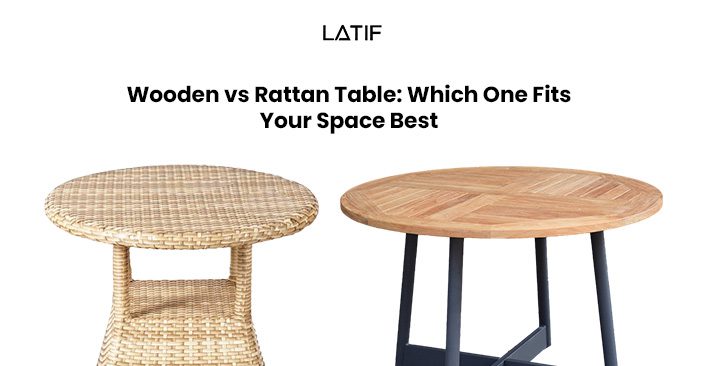
Choosing between a wooden vs rattan table can affect both function and style. This guide on wooden vs rattan tables helps you understand the key differences so you can select the right option based on your needs, budget, and environment.
Both materials offer unique advantages. The best choice depends on how and where you plan to use the table.
Wooden vs Rattan Table for Durability
Durability is one of the main factors when comparing a wooden and rattan table.
Wooden tables, especially those made from teakwood, offer strong structure and long-term stability. They resist impact and can last for many years with proper care.
Rattan tables, especially synthetic rattan, handle outdoor conditions well. They resist moisture and sunlight but may not match the structural strength of solid wood.
If you need long-term investment, wood is a strong choice. If you want flexibility and lighter use, rattan works well.
Wooden vs Rattan Table for Style and Design
Style plays an important role in selecting a wooden and rattan table.
Wooden tables create a solid and premium look. They fit modern, minimalist, and luxury interiors. Teakwood adds warmth and natural texture.
Rattan tables offer a lighter and more relaxed feel. They match tropical, boho, and casual outdoor spaces. The woven texture adds visual interest without making the space feel heavy.
Both styles work well when matched with the right interior concept.
Wooden vs Rattan Table for Indoor and Outdoor Use
Usage location also affects the choice between a wooden and rattan table.
Wooden tables perform well indoors and in covered outdoor areas. Teakwood can handle outdoor use, but proper maintenance improves its lifespan.
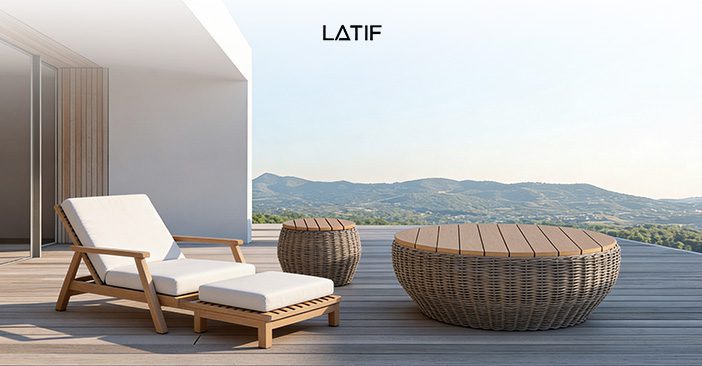
Rattan tables are ideal for outdoor and semi-outdoor spaces. Synthetic rattan resists weather exposure and requires less maintenance.
Choose based on placement. Indoor dining areas benefit from wood, while patios and terraces often suit rattan.
Wooden vs Rattan Table for Maintenance
Maintenance level differs when comparing a wooden and rattan table.
Wooden tables need regular care such as cleaning and occasional oil treatment to maintain color and durability.
Rattan tables are easier to maintain. You only need to clean the surface and keep it dry. Synthetic rattan requires minimal upkeep.
If you prefer low maintenance, rattan is more practical. If you value long-term strength, wood is worth the effort.
Wooden vs Rattan Table for Price and Value
Budget is another key factor in deciding between a wooden and rattan table.
Rattan tables are generally more affordable. They offer good value for casual use and flexible layouts.
Wooden tables usually cost more, especially those made from solid teakwood. However, they provide long-term value due to durability and timeless design.
If you need a budget-friendly option, rattan is suitable. If you want long-term investment, wood is the better choice.
Recommended Tables from Latif Living
Choosing high-quality furniture helps you get the best from both materials. Here are premium table options from Latif Living that represent both wooden and rattan styles:
- Lovina Dining Table
A solid teak dining table designed for long-term durability and modern interiors. - Beratan Round Table
A teakwood table with a smooth and balanced design, suitable for both indoor and semi-outdoor dining. - Nantes Dining Table
A strong teak table ideal for outdoor and covered terrace use. - CangguTable
A table with woven details that reflects a relaxed rattan-style aesthetic. - Milos Side Table
A lightweight table that complements casual seating and outdoor spaces.
Wooden, Rattan, or Both?
Choosing between a wooden vs rattan table depends on your space, style, and usage needs. Wooden tables offer strength and long-term value, while rattan tables provide flexibility and ease of maintenance.
Both options work well when used in the right setting. If you are looking for premium tables crafted with quality materials and refined design, Latif Living offers a curated collection suitable for homes, villas, and outdoor living spaces.