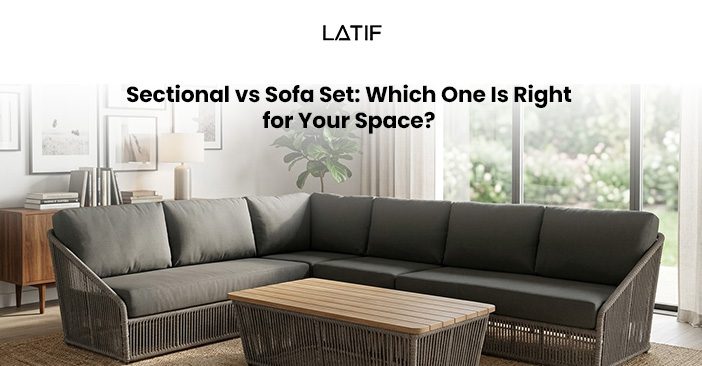


Understanding the rules to arrange living room helps create a space that feels comfortable, functional, and visually balanced. A well-arranged living room supports daily activities, social interaction, and relaxation. Furniture placement should follow clear principles rather than guesswork.
Learning the rules to arrange living room starts with space awareness and purpose.
Rule 1. Define the Main Function of the Living Room
Decide how the living room will be used. Some spaces focus on social gatherings. Others prioritize relaxation or entertainment. This decision affects seating layout, furniture size, and walking paths. Clear function is the foundation of the rules to arrange living room.
Rule 2. Start with a Focal Point
Every living room needs a focal point. This can be a sofa arrangement, a coffee table, or a view. Furniture should face or support this focal point. A clear visual anchor helps organize the entire layout.
Rule 3. Maintain Clear Walkways
Good circulation improves comfort. Leave enough space between furniture for easy movement. Avoid blocking doors or natural pathways. Clear walkways are a key part of the rules to arrange living room that improve usability.
Rule 4. Balance Furniture Proportions
Match furniture size to room scale. Large rooms need substantial seating. Smaller rooms require compact pieces. Balanced proportions prevent the space from feeling crowded or empty.
Rule 5. Keep Seating at a Comfortable Distance
Seating should allow easy conversation. Sofas and chairs placed too far apart feel disconnected. Too close feels cramped. Proper spacing supports both comfort and interaction.
Rule 6. Anchor the Living Room Layout with a Coffee Table
A coffee table helps define the seating area. It connects sofas and chairs into one zone. The table height should align with seat height for easy use.
Rule 7. Avoid Pushing All Furniture Against Walls
Floating furniture creates a more intimate setting. Pull sofas and chairs slightly inward when space allows. This approach follows modern rules to arrange living room and improves visual balance.
Rule 8. Use Rugs to Define Zones
A rug anchors the seating area and visually connects furniture. Choose a size that fits under the main seating pieces. Rugs help organize open-plan living rooms.
Rule 9. Maintain Visual Balance
Balance heavy and light elements. Avoid placing all large furniture on one side. Symmetry is not required, but visual weight should feel even across the room.
Rule 10. Keep the Layout Flexible
Living rooms should adapt to daily needs. Choose furniture that allows easy rearrangement. Flexibility supports long-term comfort and practical use.
Recommended Premium Furniture to Arrange Your Living Room
Choosing the right furniture makes it easier to apply the rules to arrange living room effectively. Below are premium living room products from Latif Living that support balanced layouts and long-term comfort:
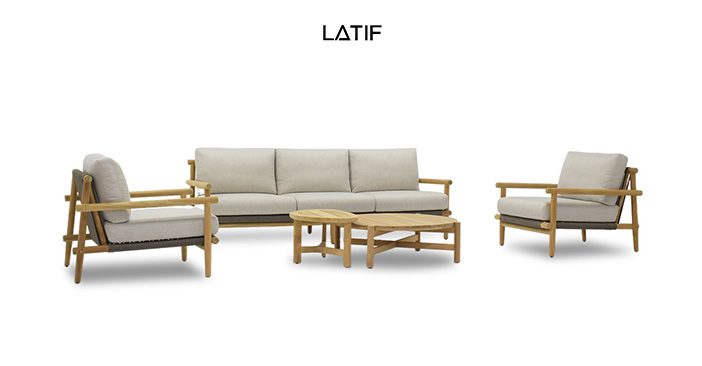
- Anatolia Sofa Set. A solid teak sofa set with balanced proportions for main seating zones.
- Antalya Collection. A refined teak sofa with structured form suitable as a focal point.
- Chesterfield Dining Chair. A comfortable accent chair that supports flexible seating layouts.
- Kansas Bar Table. A stable teak bar table that anchors the seating area.
- Cambridge Side Table. A refined teak table that complements both large and compact living rooms.
Applying the rules to arrange living room helps create a space that feels organized, welcoming, and easy to use. By focusing on function, proportion, circulation, and furniture placement, your living room can support daily living without feeling cluttered. For premium furniture designed to fit balanced living room layouts, Latif Living offers a curated collection crafted for comfort, durability, and refined style.