

If you are searching for where to buy furniture in Bali, you have come to the right place. Bali is one of the world’s top destinations for furniture shopping. Millions of buyers from the US, Europe, Australia, and Asia come here every year, not just for the scenery, but to source high-quality furniture at factory-direct prices.
This guide covers why Bali stands out as a furniture hub, which areas to explore, what materials to look for, and tips for buying smart.
Why Bali is One of the Best Places to Buy Furniture in the World
Bali’s furniture industry is a serious export powerhouse. Indonesia is consistently ranked as one of the top 10 furniture exporters globally. In 2023, Indonesia’s total furniture exports reached approximately USD 2.6 billion, and Bali along with Java serve as two of the most active production hubs.
Several factors make Bali exceptional for furniture shopping.
First, the concentration of skilled artisans is unmatched. Bali has centuries of woodworking, weaving, and carving tradition embedded in its culture. Many workshops pass skills down across generations.
Second, Bali operates closer to the supply chain than most markets. Materials like teak from Perhutani’s certified plantations, locally harvested rattan, and recycled teak from old Javanese homes are all sourced within the archipelago. Less distance between raw material and finished product means better prices for buyers.
Third, many manufacturers sell directly to end buyers through showrooms. This removes the importer markup you pay when buying the same piece in Europe or the US.
For context: a teak outdoor sofa set that retails for USD 3,000–5,000 in the United States can be purchased directly in Bali for a fraction of that price, with the same or superior quality.
A Breakdown of Main Furniture Areas Before Decide Where to Buy Furniture in Bali
Not every corner of Bali sells the same type of furniture. Each area has its own character.
Ubud and Its Surrounding Villages
Ubud is Bali’s cultural and artisan heartland. The villages around Ubud, including Mas and Tegallalang, are known for hand-carved wooden furniture and decorative pieces. You find heavy, ornate pieces here: carved teak thrones, traditional Balinese daybeds, hand-painted cabinets, and decorative wall panels. The craftsmanship is slow and detailed.
Mas village specifically has been a center for wood carving for hundreds of years. If you want one-of-a-kind artisan pieces with deep cultural character, this is the area to explore.
Rattan and bamboo furniture also appear widely around Ubud. These pieces tend to reflect a natural, bohemian aesthetic that fits well with Bali’s villa and eco-resort market.
Seminyak and Kerobokan
Seminyak and the Kerobokan strip represent Bali’s most design-forward furniture corridor. This area caters to villa developers, hotel buyers, and interior designers who want modern, export-quality pieces. You see clean lines, neutral palettes, aluminium frames, all-weather rope weaving, and teak combinations.
Kerobokan is especially dense with mid-to-high-end furniture showrooms. Many manufacturers who export to Europe and the US maintain their retail-facing showrooms here. The aesthetic skews contemporary and luxurious, fitting for hospitality projects and modern villas.
Sanur
Sanur offers a more mixed selection. You find both traditional Balinese pieces and modern outdoor furniture here. Showrooms in Sanur tend to serve a broader range of buyers, from individual villa owners to resort procurement teams. The atmosphere is more relaxed and the product range is wider, sitting between Ubud’s artisan character and Seminyak’s sleek modernity.
Denpasar
Denpasar, as Bali’s capital, is home to larger wholesale suppliers and distributors. Buyers looking to source in volume often go to Denpasar for better pricing on bulk orders. The aesthetic is less curated here, but the value proposition for commercial buyers is strong.
Gianyar and East Bali Villages
Gianyar and surrounding villages are known for silverwork, ceramics, and handcrafted decorative items that often accompany furniture purchases. Some bamboo and rattan producers also operate in this region. East Bali furniture tends to be more traditional in character.
Understanding Furniture Materials in Bali
Knowing your materials helps you make smarter buying decisions. Here is a breakdown of the most common furniture materials you encounter in Bali.
Teak Wood
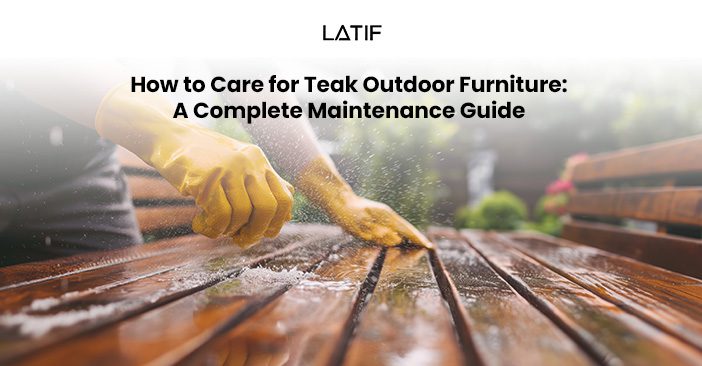
Teak is Indonesia’s most prestigious furniture wood, and for good reason. It contains natural oils that repel water, resist insects, and prevent cracking. Teak furniture can last 20 to 50 years outdoors with minimal maintenance.
However, teak comes with a higher price tag. Quality matters here. Look for FSC-certified teak, which means the wood comes from sustainably managed plantations like Perhutani, a government-managed forestry enterprise. Certified teak ensures you are not buying illegally logged timber, and it meets the standards required for export to Europe and the US.
Teak furniture suits buyers who want long-lasting outdoor pieces with a warm, natural look.
Rattan
Rattan is a fast-growing plant vine that is harvested from tropical forests. It is lightweight, flexible, and takes on shapes that heavier wood cannot. Rattan furniture is popular for interior use, covered verandas, and boutique resort settings.
The main limitation of natural rattan is moisture sensitivity. Direct exposure to heavy rain over time can weaken the material. This makes rattan better suited for semi-covered or indoor settings in tropical climates.
Synthetic Resin Fibre (HDPE Wicker)
Many outdoor furniture pieces in Bali use synthetic resin fibre woven over aluminium frames. This material looks similar to rattan but performs far better outdoors. High-density polyethylene (HDPE) resin fibre does not fade, crack, or absorb moisture. Quality manufacturers use Clariant UV protection additives to extend the material’s colour life under direct sun.
This material is widely used in hotel pool areas, beach clubs, and resort properties across the world because of its durability and low maintenance.
All-Weather Rope
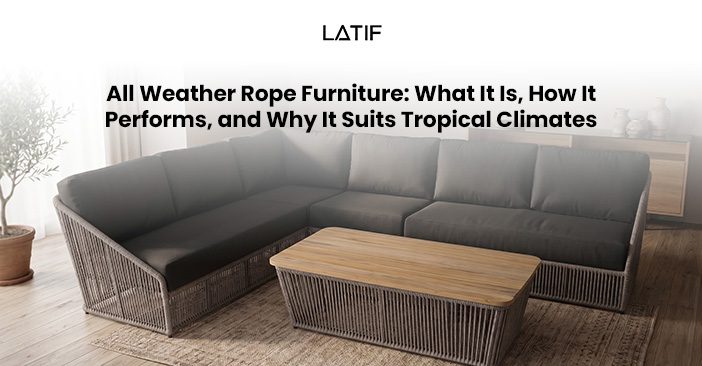
All-weather rope weaving is one of Bali’s fastest-growing material categories. Polypropylene rope is woven around powder-coated aluminium frames to create outdoor furniture with a contemporary aesthetic. The rope is UV-resistant and weather-resistant, making it well-suited for outdoor use in tropical and coastal environments.
The weaving itself is largely done by hand, which gives each piece a handcrafted quality even at production scale. Many Bali manufacturers now produce their own rope in-house, running machines that produce tens of tons of raw material per month.
Aluminium
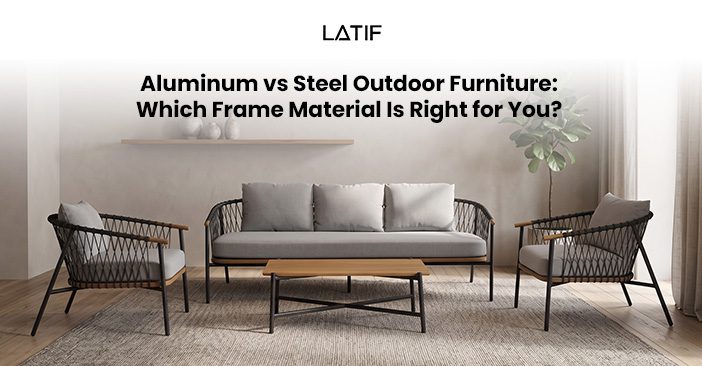
Aluminium frames are the structural backbone of most modern outdoor furniture made in Bali. This type material does not rust, which is critical in coastal and tropical environments. It is also lightweight, which matters for shipping and for customers who rearrange outdoor spaces frequently.
Powder-coated aluminium adds a layer of colour and protection. Quality powder coating should be even, chip-resistant, and consistent in finish.
Bamboo
Bamboo grows rapidly and is one of the most sustainable materials used in Bali furniture. It appears frequently in eco-resort settings and in architectural furniture like room dividers and bed frames. Bamboo treated properly can be durable, but untreated bamboo is vulnerable to moisture and insects in tropical conditions.
Sling Fabric
Sling furniture uses a mesh fabric stretched across a frame. Phifertex is one of the most trusted sling fabrics globally, offering UV resistance and quick-drying properties. Sling chairs and sun loungers using quality sling fabric are popular for hotel pool decks where upholstered cushions would get wet constantly.
Sunbrella Cushion Fabric
For cushioned outdoor furniture, Sunbrella is the industry standard. It is a solution-dyed acrylic fabric that resists fading, mildew, and moisture. Cushions using Sunbrella fabric can be left outdoors and cleaned easily. When buying cushioned outdoor furniture in Bali, ask whether the fabric is Sunbrella or a similar grade fabric.
Tips for Buying Furniture in Bali
These points will help you buy with confidence.
Ask about certifications. For teak, ask whether the wood carries FSC or SVLK certification. SVLK is Indonesia’s mandatory timber legality verification system. Certified wood ships legally and clears customs in Europe and the US without issues.
Clarify what is included in the price. Many Bali furniture showrooms quote prices that exclude cushions. Confirm whether the price shown covers the full piece as displayed.
Consider shipping logistics before you buy. For large orders or single large pieces, you need to factor in freight costs. Sea freight is cost-effective for container loads. Air freight is faster but significantly more expensive per kilogram. Many larger showrooms have experience handling international freight and can connect you with reliable forwarders.
Check the powder coating quality on aluminium frames. Run your hand over the frame. Good powder coating is smooth and even. Poor coating shows texture inconsistencies or rough patches.
Ask about customisation. Many Bali manufacturers offer custom sizing, colour options, and material combinations. If you are furnishing a villa or hotel, custom orders can produce exactly what you need rather than settling for a standard size.
Where to Buy Furniture in Bali: Latif Living
If you want to combine export-grade quality with direct factory pricing, Latif Living is a strong choice.
Latif Living has been manufacturing high-end outdoor furniture since 2004. The company manufactures everything in-house at its factory in Kediri, East Java. The production facility runs 10 all-weather rope machines, one sock machine, one strapping machine, and 6 resin fibre extruders, producing over 30 tons of raw material per month. This scale allows Latif Living to control quality at every stage of production.
Their teak is FSC-certified and sourced from Perhutani’s sustainably managed plantations. Cushion fabric uses Sunbrella. Sling uses Phifertex. Aluminium frames are powder-coated for weather resistance. These are not just marketing claims. They are the same material specifications trusted by hotel buyers across North America, Europe, and Australia.
Latif Living’s product range covers sofa sets, dining sets, bar furniture, sun loungers, daybeds, balcony sets, and accessories. Prices start as low as IDR 1,250,000 for dining chairs and range up for full modular lounge collections for larger projects. Every piece is built to export standards, meaning it meets the durability and finish requirements demanded by the international market.
Whether you are furnishing a private villa, procuring for a hotel, or shipping a container home, Latif Living’s team can guide you through material selection, customisation options, and shipping logistics.
Final Thoughts
Bali is genuinely one of the best places in the world to buy furniture. The combination of skilled artisans, direct manufacturer access, diverse materials, and competitive pricing creates buying conditions you simply cannot replicate elsewhere.
Knowing where to buy furniture in Bali comes down to matching your needs to the right area and the right manufacturer. For handcrafted artisan pieces, explore Ubud and its villages. If you looking for modern outdoor and hospitality furniture, Seminyak and Kerobokan are the areas to focus on. For a manufacturer that sells directly to you with export-grade quality and full production transparency, visit Latif Living at either of their two Bali showrooms.