
Outdoor furniture fades because UV radiation breaks down the chemical structure of materials at a molecular level. This is not a quality defect in a single brand or product. It is a physical process that affects every material exposed to sunlight without adequate UV protection. However, the rate at which fading occurs and how severe it becomes depends almost entirely on the material specification of the furniture.
Understanding why outdoor furniture fades helps buyers make smarter material choices upfront, apply the right preventative measures, and recognise when fading is a sign of poor material specification rather than normal wear.
The Science Behind Fading: What UV Does to Materials
Sunlight contains three types of radiation: visible light, infrared, and ultraviolet. Visible light is what humans see. Infrared is heat. Ultraviolet radiation, specifically UV-A and UV-B wavelengths, carries enough energy to break chemical bonds in organic materials.
When UV radiation contacts the surface of outdoor furniture, it attacks the polymer chains, dye molecules, and organic compounds that give the material its colour and structural properties. This process is called photodegradation. As UV progressively breaks these bonds, the visual result is colour fading. The structural result is fibre weakening, surface chalking, and eventually material failure.
Furthermore, UV exposure does not work alone. Heat from infrared radiation accelerates the photodegradation process. Moisture enables oxidation reactions that compound UV damage. Consequently, tropical and coastal environments like Bali create the most aggressive fading conditions on earth: intense UV from a near-vertical sun, high ambient temperature, and sustained humidity.
Why Different Materials Fade at Different Rates
Not all outdoor furniture materials respond to UV in the same way. The speed and severity of fading depends on how the material was manufactured and whether UV-protective measures were built into the production process.
Fabric and Cushion Materials
Fabric fades faster than any other material in outdoor furniture because dye molecules are particularly vulnerable to UV attack.
Generic polyester outdoor fabric is surface-dyed. The colour sits on the fibre’s outer surface, bonded by dye chemistry that UV progressively disrupts. After 12 to 24 months of direct tropical sun, surface-dyed polyester fabric shows visible colour loss. After 3 to 4 years, the structural integrity of the fibre itself weakens as UV degrades the polymer chains.
Solution-dyed fabrics like Sunbrella perform significantly better because the pigment is mixed into the fibre polymer before extrusion. The colour runs throughout the full cross-section of every fibre rather than sitting on the surface. Therefore, UV cannot remove the colour by attacking the outer surface alone, because there is no colour-free core to expose. Sunbrella retains colour for 5 to 10 years of outdoor use under conditions that fade generic fabric within two seasons.
Synthetic Wicker and Rope
HDPE synthetic wicker and polypropylene rope both contain polymer chains that UV can degrade through the same photodegradation mechanism as fabric. However, plastic polymers degrade differently from organic fabric dyes. In plastics, UV breaks down the polymer chains themselves, leading to colour fading initially and eventual brittleness and surface cracking in the later stages of degradation.
The critical variable for synthetic wicker and rope is whether UV-stabilising additives were incorporated during production. Clariant is the leading specialist supplier of UV-stabilising masterbatch for polyolefin plastics. When Clariant additives are mixed into HDPE or polypropylene polymer before extrusion, the UV stabilisers absorb UV radiation and convert it to heat, which dissipates harmlessly before the UV can attack the polymer chains.
Synthetic wicker and rope produced without UV stabilisers can fade visibly within one to two seasons in tropical conditions. Additionally, without UV protection, the polymer chains weaken and the material becomes brittle and prone to cracking within three to five years. By contrast, wicker and rope with quality UV stabilisers retain colour and structural integrity for eight to fifteen years in the same conditions.
Powder-Coated Aluminium and Metal Frames
Powder-coated aluminium frames fade through a different mechanism from fabric and plastic. The metal itself does not fade. However, the powder coat layer on top of the metal does degrade under UV exposure.
Generic powder coat formulations without UV-stabilising chemistry become chalky over time. The surface loses its gloss, the colour shifts, and the coating eventually becomes powdery to the touch. Furthermore, UV-degraded powder coat loses its adhesion to the metal substrate, which leads to flaking and exposes the underlying metal to corrosion.
Quality outdoor furniture manufacturers specify UV-stabilised powder coat formulations. These contain UV absorbers that protect the coat’s binder chemistry from photodegradation. With UV-stabilised powder coat, frame finishes retain their colour and surface integrity for ten or more years in outdoor conditions.
Teak and Natural Wood
Teak outdoor furniture fades in a specific way that distinguishes it from the fading of synthetic materials. UV exposure degrades the lignin in teak’s surface cells, causing the warm honey-gold colour to transition through various brown tones and eventually stabilise at a silver-grey patina. Importantly, this is a surface-only process. The structural properties, oil content, and moisture resistance of the wood beneath the surface remain fully intact.
This means teak does not fade in a negative sense. It weathers. The silver-grey patina is a stable endpoint, not a sign of deterioration. Owners who want to maintain the original golden tone can periodically apply teak oil, which replenishes the surface oil and temporarily restores the warm colour. Owners who prefer the silver-grey can simply clean the furniture regularly and allow the weathering process to complete.
Specific Causes That Accelerate Fading
Beyond UV radiation itself, several environmental and usage factors accelerate outdoor furniture fades.
Proximity to water. Pool water and ocean water both amplify UV exposure because they reflect and scatter UV radiation, effectively increasing the UV dose that poolside and beachfront furniture receives compared to furniture in a shaded garden.
Salt air. In coastal environments, salt particles in the air settle on furniture surfaces and absorb moisture from the atmosphere. This creates a thin film of salt water on the surface that accelerates the chemical reactions UV initiates, speeding up both fading and corrosion.
Poor maintenance and accumulated surface debris. Dust, pollen, and organic particles that accumulate on furniture surfaces create a layer that traps moisture against the material. This sustained contact between moisture and the material surface compounds UV-driven oxidation. As a result, regularly cleaned furniture fades more slowly than furniture left with accumulated debris.
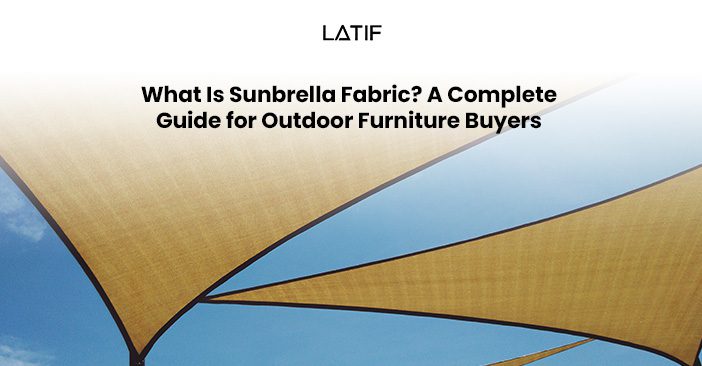
Extended direct sun exposure without shade. Furniture in direct tropical sun for eight to ten hours daily receives significantly more cumulative UV dose than furniture under a sail shade, pergola, or umbrella. Physical shade protection reduces UV exposure directly and is one of the most effective preventative measures available regardless of material quality.
Heat concentration. Dark-coloured furniture absorbs more radiant heat than lighter alternatives. Higher surface temperatures accelerate the thermal component of photodegradation. Consequently, dark-coloured furniture in direct tropical sun may show surface effects faster than equivalent light-coloured furniture, even when both use the same UV protection specification.
Why Cheap Outdoor Furniture Fades So Fast
Cheap outdoor furniture fades quickly for a straightforward reason: the materials do not include UV protection, and the manufacturers save money by omitting it.
UV-stabilising additives in synthetic materials cost money. Clariant masterbatch for polypropylene rope and HDPE wicker adds meaningful cost to the material per kilogram. Solution dyeing for outdoor fabric is a more expensive production process than surface dyeing. UV-stabilised powder coat formulations cost more than standard powder coat. Each of these represents a cost decision that cheap furniture manufacturers consistently resolve in favour of the lowest input cost.
The result is furniture that looks identical in a showroom or catalog photo but performs completely differently over the first two to three years of outdoor use. Additionally, the furniture that fades fastest also fails structurally fastest, because UV degradation of polymers and coatings without stabilisers is not just cosmetic. It weakens the material.
Therefore, when comparing furniture prices, the question is not which piece costs less today. It is which piece costs less per year of outdoor service life with acceptable appearance. A piece that costs twice as much but lasts four times longer with consistent colour is the cheaper choice over its lifespan.
How to Prevent Outdoor Furniture from Fading
Prevention is more effective than correction. Most fading is irreversible, which means the time to address it is before the furniture shows colour loss rather than after.
Specify UV-stabilised materials from the start. This is the single most important preventative measure. Ask suppliers whether their synthetic fibre, rope, wicker, and powder coat use UV-stabilising additives. Ask whether cushion fabric is solution-dyed or surface-dyed. The answers to these questions predict fading behaviour more reliably than price alone.
Add physical shade. Umbrellas, sail shades, pergolas, and covered terraces all reduce the UV dose that furniture receives. Even partial shade significantly slows fading. For pool decks and open terraces, investing in quality shade structures extends the appearance life of even well-specified furniture.
Use furniture covers when pieces are not in use. Quality custom furniture covers block UV exposure during periods of non-use, particularly overnight and during extended periods away from the property. Covers also protect against debris accumulation that compounds UV-driven degradation.
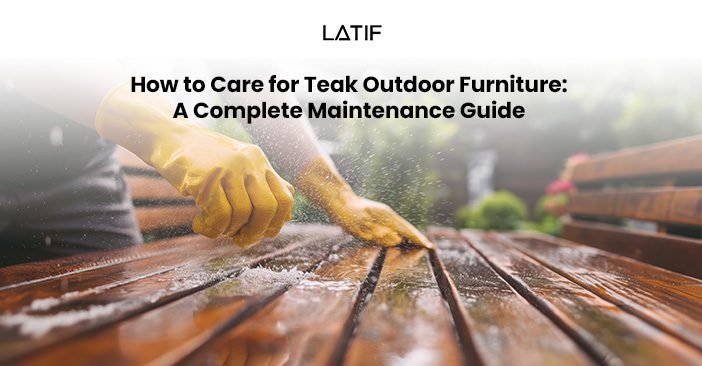
Clean furniture regularly. Monthly cleaning removes organic debris, salt deposits, and dust that trap moisture against the surface. Furniture that stays clean oxidises more slowly. Additionally, regular cleaning reveals coating damage or surface changes early, before degradation progresses.
Apply protective treatments seasonally. Teak oil on teak surfaces replenishes natural oil and partially restores UV-degraded surface lignin. UV-protective spray treatments for synthetic materials create an additional surface-level UV absorber. Apply these at the start of each outdoor season or wet season.
Rotate furniture position periodically. If practical, rotating furniture pieces ensures that UV exposure is distributed evenly across all surfaces rather than concentrated on one face. This produces more even weathering across the piece’s full appearance.
How to Restore Furniture That Has Already Faded
Restoration options depend on the material.
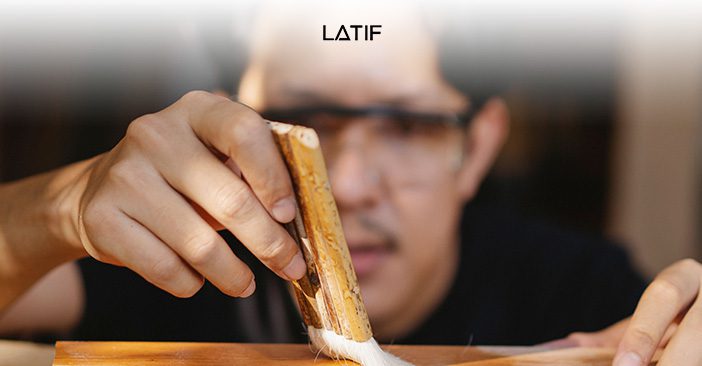
Faded teak. Lightly sand the greyed surface along the grain with 120-grit paper followed by 220-grit. This removes the surface lignin layer and exposes fresh wood with warm golden tone beneath. Clean thoroughly, allow to dry completely for 24 to 48 hours, then apply teak oil to restore colour and protect the freshly exposed surface.
Faded synthetic wicker or rope. Fading in synthetic materials is not reversible through surface treatment in the way teak greying can be reversed by sanding. UV has broken down the polymer chains and dye chemistry at a molecular level. Surface sprays may temporarily darken the material but they do not restore colour. If synthetic wicker or rope has faded significantly, replacement of the wicker panels or re-wrapping with new rope is the most effective solution.
Faded powder coat on frames. Chalky, colour-shifted powder coat cannot be restored through cleaning or polishing. Heavily faded frames require repainting or recoating. A light chalking in the early stages can be slowed by applying a UV-protective clear coat spray, but this addresses the symptom rather than replacing the degraded coating.
Faded cushion fabric. Solution-dyed fabric like Sunbrella does not fade to the point of requiring restoration under normal use conditions because the colour runs through the full fibre. If standard outdoor fabric has faded, cushion cover replacement is the practical solution. This is less expensive than replacing full cushions and allows buyers to update the colour at the same time.
Materials That Resist Fading in Tropical Conditions
For buyers in Bali and other tropical climates, the combination of materials that best resists fading is straightforward.
FSC-certified teak handles UV through its natural oil content and ages consistently to a silver-grey patina that many buyers find appealing in its own right. It does not fade in the negative sense.
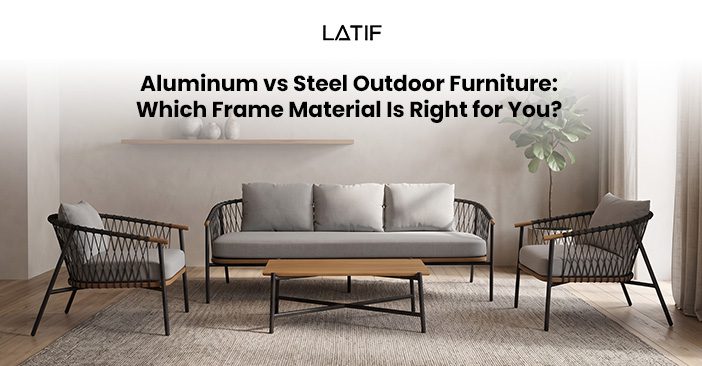
Powder-coated aluminium with UV-stabilised powder coat retains frame colour for ten or more years. The aluminium beneath does not corrode if the coating is damaged.
HDPE synthetic wicker with Clariant UV-stabilising masterbatch resists colour fading and polymer degradation for eight to fifteen years in tropical conditions.
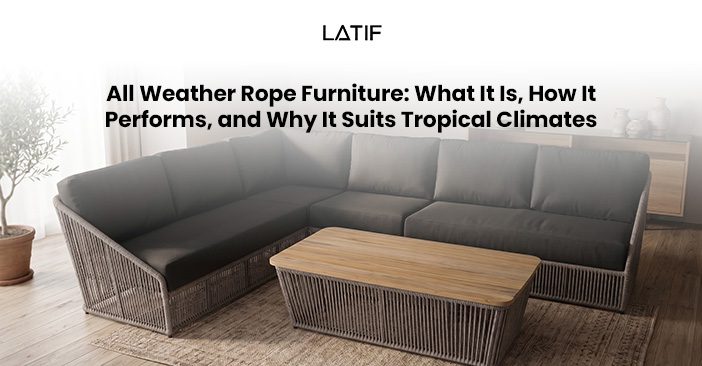
All weather polypropylene rope with Clariant UV-stabilising masterbatch performs comparably to HDPE wicker in fading resistance. The rope’s three-dimensional weave structure also means that minor UV-driven colour shifts are less visually prominent than on a smooth, flat fabric surface.
Sunbrella solution-dyed acrylic fabric retains colour for five to ten years of outdoor use because the pigment runs through every fibre rather than sitting on the surface.
This combination of materials is not coincidental. It represents the specification that Indonesia’s leading outdoor furniture exporters, including Latif Living, use consistently for their international hospitality and residential projects.
Furniture Built to Resist Fading at Latif Living
Latif Living uses Clariant UV-stabilising masterbatch in both their all weather polypropylene rope production and their HDPE resin fibre production. Their cushion fabric uses Sunbrella. Aluminium frames carry UV-stabilised powder coat. And their teak is FSC-certified heartwood-grade material from Perhutani’s sustainable plantations.
Each of these material specifications directly addresses the fading mechanisms described in this guide. Buyers who choose Latif Living furniture for outdoor use in Bali or other tropical and coastal environments receive a material combination built specifically to resist the UV, heat, humidity, and salt air conditions that cause premature fading in lesser-specified outdoor furniture.
Visit either Latif Living showroom in Bali to see and assess the material quality in person before committing to any order.
Latif Living Sanur
Jl. By Pass Ngurah Rai No.125 X, Sanur, Denpasar Selatan, Bali
+62 811-3886-034